
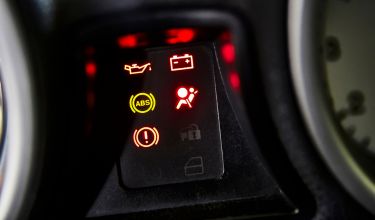
Car Dashboard Warning Lights: A Guide
Have you ever been driving along and suddenly noticed a new glowing icon on your dash? It can be a bit worrying when you don’t know what your car is trying to tell you. Understanding car dashboard warning lights is one of the best ways to keep you and your family safe on the road.
These alert symbols in cars act like a health check for your vehicle. By learning the meaning of dashboard lights, you can decide whether you need to pull over immediately or simply book a check-up. Most car dashboard lights symbols follow a simple system that is easy to remember.
What Do the Dashboard Warning Light Colours Mean?
Before looking at specific icons, you should look at the colour of the light. Most manufacturers use a "traffic light" system to help you understand how urgent the problem is:
Red: This is a serious warning. You should pull over safely and stop the engine immediately. Driving with a red light could be dangerous or cause expensive damage.
Amber or Yellow: This shows that something needs to be checked soon. It is usually not an emergency, but you shouldn't ignore it for long.
Green or Blue: These aren't warnings. They simply mean a system is turned on and working correctly, such as your headlights or cruise control.
Common Car Dashboard Warning Lights Explained
There are dozens of different symbols on a car dashboard and their meanings vary slightly between brands. However, these are the most common dash light warning symbols you are likely to see.
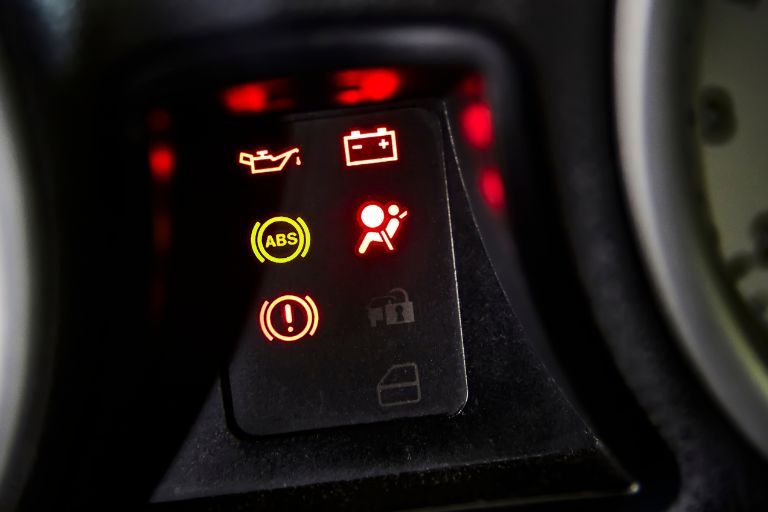
Engine Management Light
This symbol looks like the outline of a car engine. It is one of the most important car dashboard warning lights because it monitors your engine's health. If it stays lit, there could be a range of issues. You should get a diagnostic check as soon as possible.
Brake Warning Light
An exclamation mark inside a circle. If this stays on after you release the handbrake, it could mean your brake fluid is low or there is a fault with the braking system. Since brakes are vital for safety, this should never be ignored.
Engine Oil Light
This looks like an old-fashioned oil can. It means the oil pressure is too low or the oil temperature is too high. Without oil, your engine can be ruined, so stop the car safely if this turns red.
Battery Warning Light
A small rectangle with a plus (+) and minus (-) sign. This indicates that the battery isn't charging properly. It might be a sign of a weak battery or a problem with the alternator.
Engine Temperature Light
A thermometer sitting in wavy lines. This means your engine is getting too hot. This often happens if you are low on coolant. Pull over and let the engine cool down before checking your fluid levels.
Anti-lock Braking System (ABS)
The letters "ABS" inside a circle. This system helps you stop safely in an emergency. If this light is on, your normal brakes will still work, but the emergency assist might not.
Tyre Pressure Warning
An exclamation mark inside a "U" shape. This means at least one of your tyres is low on air. If you've recently bought used cars, check these levels regularly to keep your tyres in top shape.
Airbag Warning
A symbol showing a person with a large circle in front of them. This means there is a fault with the safety bags. In an accident, they might not go off, or they could even deploy when they shouldn't.
Power Steering Light
A steering wheel symbol. If this glows, you might find the steering feels very heavy and hard to turn. This can make the car difficult to drive, especially when parking.
Low Fuel Light
A classic petrol pump symbol. This means you are running low on fuel and should find a petrol station soon.
Service Due Light
This might look like a spanner. It is a reminder that your car is due for its annual check-up. At Motor City Plymouth, we offer annual mot & service reminders to help you keep your car healthy.
Traction Control Light
A car with wiggly lines behind the wheels. This flashes when the car is struggling for grip on a slippery road. If it stays on constantly, the system might have a fault.
What Should You Do When a Warning Light Comes On?
If one of the alert symbols appears, try not to panic. First, check the colour. If it is red, find a safe place to pull over and turn off the engine. If it is amber, you can usually continue your journey, but you should look at your owner's manual when you get home.
Don't ignore amber lights for too long. Small issues can turn into big repairs if they aren't fixed early. If you aren't sure what a symbol means, or you need to get it checked, our team at Motor City Plymouth can help. We have an onsite MOT and service centre where we can run a full diagnostic check.
Dashboard Warning Light FAQs
Can I Drive With The Engine Management Light On?
If the light is steady amber, you can usually drive to a garage, but the car might feel less powerful. If it is flashing, you should stop driving immediately to avoid engine damage.
Why Are There So Many Different Dashboard Symbols?
Modern cars have sensors for almost every part of the engine. Automotive dashboard symbols help you catch problems early. Every car we sell goes through a 69-Point Safety Check to ensure these systems work perfectly.
How Do I Reset A Dashboard Warning Light?
Most lights will turn off once the fault is fixed. For example, the tyre pressure light should go out after you pump up your tyres. Some lights need a technician to reset them using a computer tool.
Is It Safe To Drive With The Tyre Pressure Light On?
It is safe to drive a short distance to a petrol station. However, driving on a low-pressure tyre can damage your wheels and makes the car harder to control.
Get Expert Help at Motor City Plymouth
Whether you are looking for used cars or need help with your current vehicle, we are here to help. Our Plymouth service centre is located just off the A38, making it easy to reach from Ivybridge, Saltash, and Exeter.
If you're confused by car symbols on your dashboard and their meaning, our qualified technicians are on hand to help. If a car dashboard warning lights symbol won't clear, contact us to book a diagnostic check.