
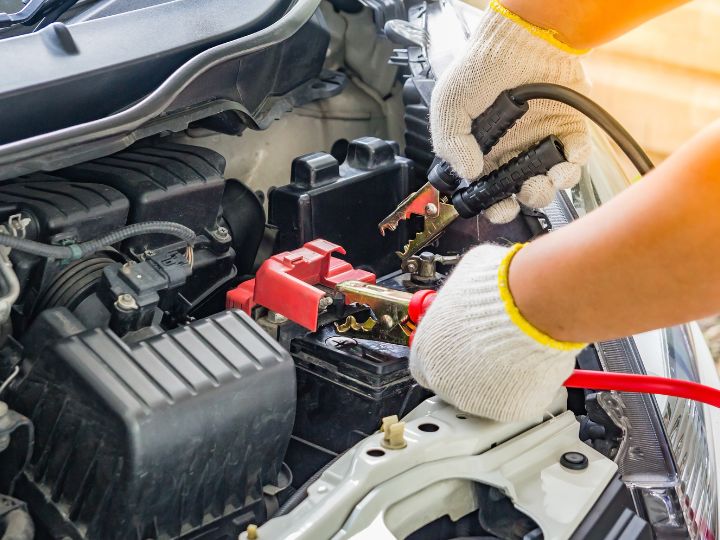
How to Jump Start a Car
A flat battery can happen to anyone. You might be rushing to work, parked at home, or out shopping in Plymouth when your car suddenly won’t start. The good news is that jump-starting a car is usually quick and safe when you know what to do. This simple guide from Motor City Plymouth explains how to jump-start a car, step by step, and helps you stay calm and confident if it happens to you.
What Does Jump Starting a Car Mean?
Jump-starting a car means using power from another battery to give your flat battery enough charge to start the engine. Once the engine is running, the car’s alternator can begin recharging the battery.
Car batteries can go flat for several common reasons, including:
- Leaving the lights or the radio on
- Cold weather
- Short journeys that don’t fully recharge the battery
- An old or worn-out battery
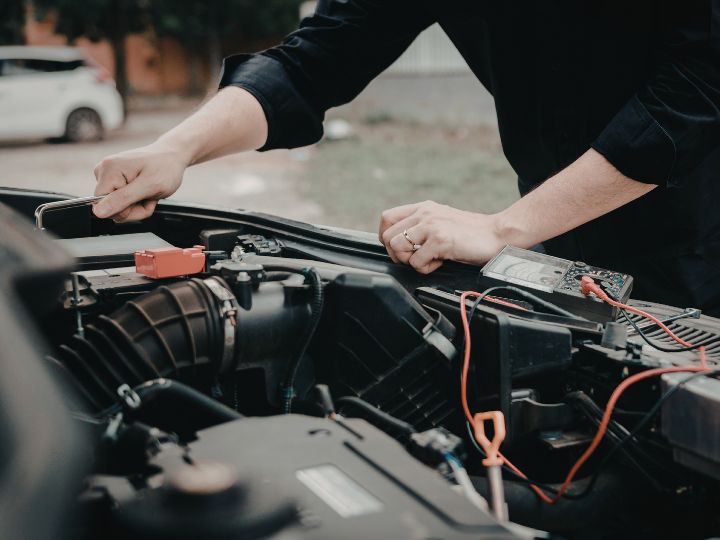
What You Need to Jump Start a Car
To safely jump start a car, you will need:
- Jump leads (also called jumper cables)
- Another car with a fully working battery
- Or a portable jump starter pack
Before you begin, make sure:
- Both cars are parked safely and not touching
- Handbrakes are on
- Engines are switched off
- Keys are removed from the ignition
How to Jump Start a Car with Jump Leads
Knowing how to jump-start a car with jump leads correctly is important for safety. Follow these steps carefully:
- Park the cars close enough for the leads to reach
- Check your owner's manual, as some modern cars have specific jump-start points under the bonnet rather than direct battery access
- Connect the red lead to the positive (+) terminal on the flat battery
- Connect the other end of the red lead to the positive (+) terminal on the working battery
- Connect the black lead to the negative (–) terminal on the working battery
- Attach the other black lead to an unpainted metal part on the flat car (not the battery)
- Start the working car and let it run for a few minutes
- Try starting the car with the flat battery
Once the car starts, remove the leads in the reverse order. Never let the metal clamps touch each other or allow the cars to touch.
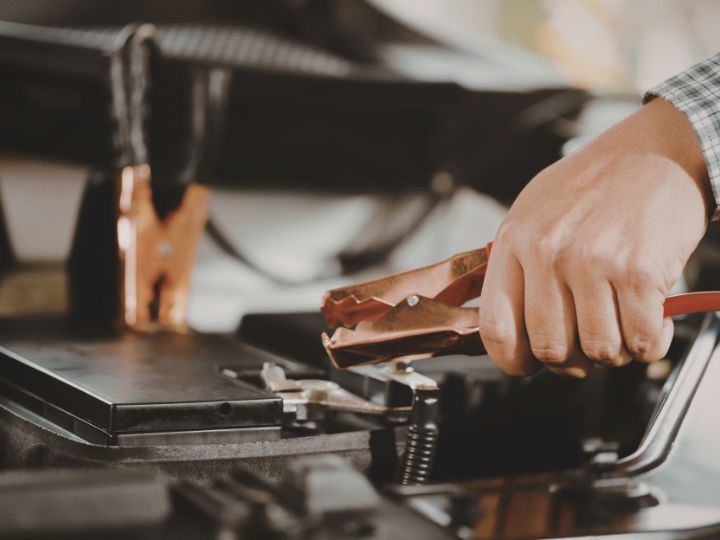
How to Jump Start a Car Without Jump Leads
If you don’t have jump leads, there are still options which often involve using a portable jump starter pack. These compact devices are easy to use and don’t require another vehicle. Always follow the manufacturer's instructions that come with your specific jump starter, as steps may vary between models.
If you don’t have one, roadside assistance is the safest alternative. Pushing a car to start it is not recommended for modern vehicles and can cause damage.
Can You Jump Start a Car in the Rain?
A common worry is: Can you jump-start a car in the rain?
Yes, you can, but extra care is needed.
- Avoid standing in puddles
- Keep jump lead clamps as dry as possible
- Wear gloves if you have them
- Make sure connections are secure before starting
Car batteries are designed to handle wet conditions, but staying cautious reduces risk.
What to Do After Jump Starting a Car
Once your car is running, drive for 20–30 minutes to allow the battery to recharge. Try to avoid switching the engine off too soon.
If the car struggles to start again, the battery may be failing and need replacing.
When to Get Professional Help
You should seek help if:
- Your battery keeps going flat
- Dashboard warning lights appear
- The battery is more than 4–5 years old
At Motor City Plymouth, we’re always happy to help. As a trusted local used car dealer in Plymouth, we can check battery health, offer friendly advice, and help you find reliable used cars that suit your needs. If you’re unsure, just get in touch—we’re here to help.