

How to Drive an Automatic Car
If you're considering making the switch to an automatic car or simply want to learn how to drive one, you're in the right place. Automatic cars offer a driving experience that's easier and more convenient, making them a popular choice for many drivers. In this blog, we'll explore what automatic cars are, how they work, the different types of automatic transmissions, and provide essential tips for driving them safely and efficiently.
Understanding Automatic Cars
An automatic car is a vehicle with an automatic transmission that doesn't require the driver to manually change gears. Instead, the car's transmission system handles gear shifting, making driving more straightforward. Here's how automatic transmissions work:
1. Transmission Components: Automatic transmissions consist of a torque converter, a hydraulic pump, and a gearset. The torque converter serves as a fluid coupling, eliminating the need for a manual clutch.
2. Gear Shifting: In an automatic car, the transmission system selects the appropriate gear ratio based on the vehicle's speed and load. This means there's no clutch pedal or manual gear shift lever, making driving less physically demanding.
Types of Automatic Transmissions
Automatic transmissions come in several variations, but the two most common types are:
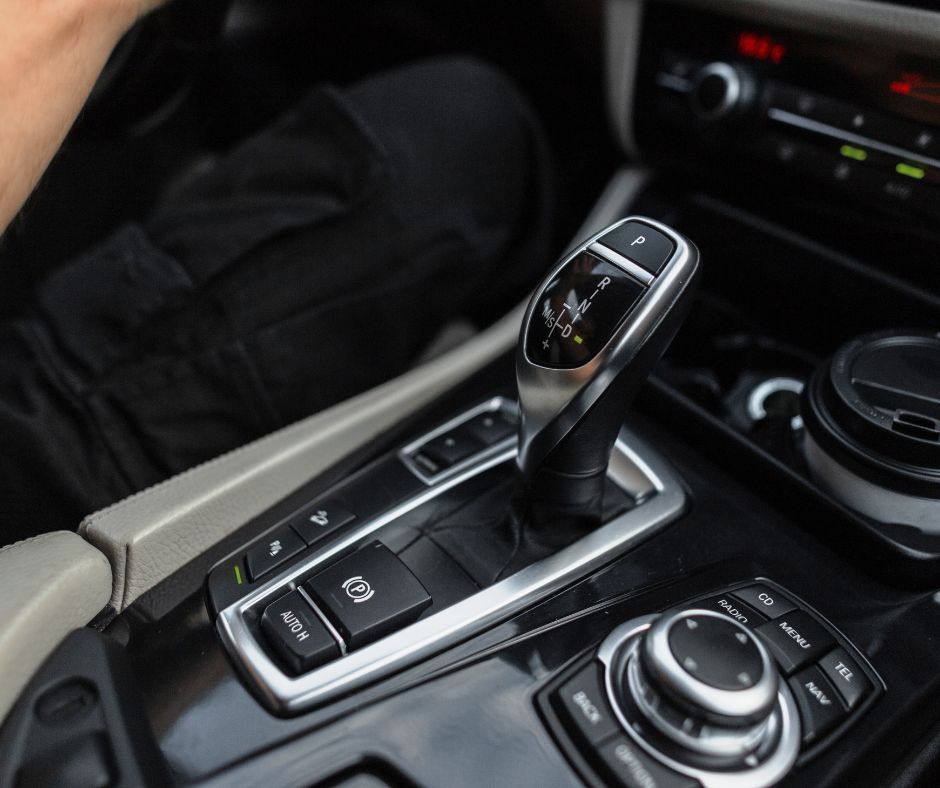
1. Traditional Automatic: This is the most common type. It features a torque converter and planetary gearset to manage gear shifting. The driver can usually select between "P" (Park), "R" (Reverse), "N" (Neutral), and "D" (Drive). Some models also have additional options like "2" (for using only the first two gears) or "L" (for low gear, useful for steep hills or towing).
2. Continuously Variable Transmission (CVT): CVTs use a belt and pulley system to provide a seamless range of gear ratios rather than discrete gears. They are known for their smooth and fuel-efficient operation.
Driving an Automatic Car
Driving an automatic car is generally more straightforward than driving a manual one. Here's how to get started:
1. Starting the Car: Insert the key, turn it to the "On" position, press the brake pedal, and shift the gear lever to "D" (Drive).
2. Acceleration: Release the brake pedal gently and apply pressure to the accelerator pedal to move forward. The car will automatically shift through the gears as needed, depending on your speed.
3. Braking: To slow down or come to a complete stop, release the accelerator, and press the brake pedal. The car will downshift as you slow down.
4. Parking: When you're done driving, shift to "P" (Park) to secure the car in place. Always ensure the car is in "P" before turning off the engine.
Driving Scenarios
- Hill Driving: Many automatic cars have a "2" or "L" setting, which is useful when driving downhill or towing. These settings prevent the transmission from shifting into higher gears, providing better engine braking and control.
- Traffic: Automatic cars are excellent for stop-and-go traffic since you don't need to engage the clutch and shift gears constantly. Simply switch between the brake and accelerator pedals as needed.
Tips for Safe and Efficient Driving
1. Use Your Right Foot: In an automatic car, you'll only need your right foot for the gas and brake pedals. Keep your left foot on the footrest to avoid unintentional pedal presses.
2. Be Mindful of "N" (Neutral): Avoid shifting into Neutral while driving unless necessary, as this disengages the engine from the wheels, reducing control.
3. Use "P" (Park) Properly: Ensure the car is in "P" when parked. If you're on an incline, engage the parking brake for added safety.
4. Regular Maintenance: Just like manual cars, automatic cars need regular maintenance, including fluid changes and transmission checks.
Ready to experience the ease of driving an automatic car? Visit our Automatic Cars to learn more about the automatic cars we have in stock. Whether you're a new driver or simply looking for a more convenient driving experience, automatic cars offer a user-friendly and comfortable way to get on the road.