
What to Do & Not to Do When Your Car Overheats
With summer in full swing, it’s essential that you pay attention to your car to prevent it from overheating.
How do I know that my car is overheating?
There are several signs your car is overheating, which include:
If the temperature gauge/warning light illuminates on the dashboard
You can hear a ticking noise coming from the engine as this can indicate that the engine oil is failing to properly lubricate the engine parts
If you can see that coolant has been leaking under your car
You’ve noticed that your car’s engine power has reduced
The car smells “hot”, and steam comes from underneath the bonnet
What to do when your car overheats
DO use the car’s heater
Using the car’s heater will help to draw the hot air away from the engine and into the cabin, giving you more time to find a safe place to park
DON’T keep driving the car
If you continue to drive your car while it’s overheating, you’ll only risk doing more damage to it. This can result in expensive repair bills.
DO find a safe place to park
You shouldn’t continue driving the car if the engine is overheating. So be sure to find a shaded area, if possible, to park your vehicle to let the engine cool.
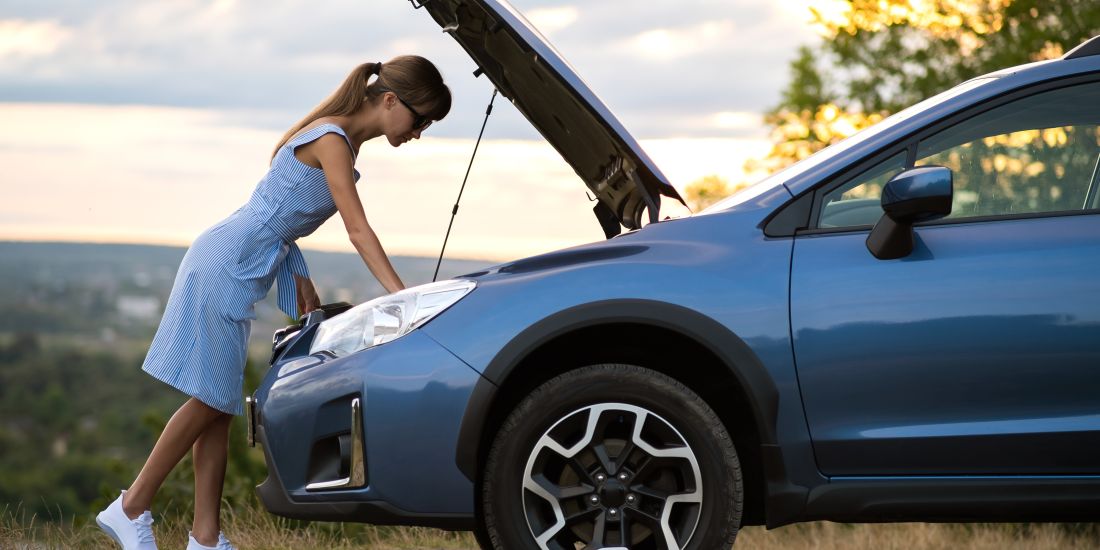
DON’T immediately open the bonnet
If you open the bonnet once you’ve parked your car, wait for the engine to cool down before doing so. You could end up with burns and other injuries from steam and smoke.
DO contact help
You can contact a recovery service that can look at the engine for you if you’re not comfortable doing this yourself.
DON’T forget about the issue
Even if you’ve managed to make your car drivable by topping up the coolant levels, there may be underlying reasons that you weren’t aware of, so forget about it and get your car checked by a professional.
DO check the coolant system for leaks
If you feel comfortable checking under the bonnet, then look at the cooling system, such as the radiator and hoses, to identify any leaks. But if you can’t find any leaks, then you’ll need to top up the coolant level.
Can I use water instead of coolant in an emergency?
Water is an unsuitable substitute for coolant because it doesn’t have great freezing or boiling points and doesn’t effectively absorb heat.
However, it can be used in an emergency while you arrange to get your car booked with a service centre.
How can you prevent the car’s engine from overheating?
Check the coolant levels regularly
Keep an eye on the temperature gauge
Don’t overuse the air conditioning to as it can put a strain on the engine
Check the drive belt for wear/tear
Check the radiator cap for damage
Inspect the thermostat and have it replaced if necessary
Flush out the old coolant from the car’s radiator